Peptide And Peptoid Synthesis Core
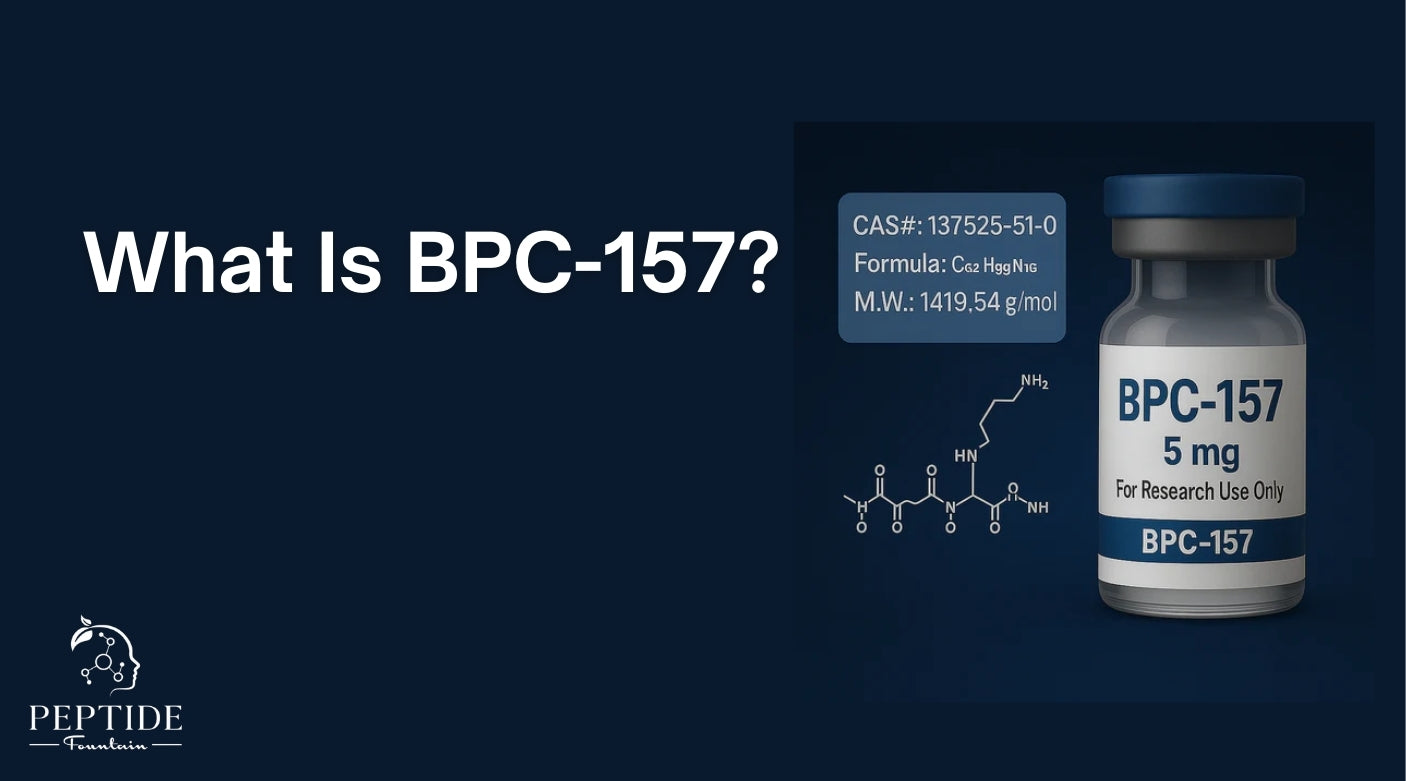
- All products detailed are strictly for in-vitro research laboratory research and development use just.
- Considering that a hydrophobic fixed phase is made use of, it can be made use of in combination with hydrophobic, hydrophilic, ionic and ionic compounds to separate their different components, permitting analysis to be versatile.
- For research study peptides, molecular weight verification verifies the desired series, finds adjustments such as oxidation or deamidation, and confirms the absence of contaminants that could co-elute throughout HPLC analysis.
- If 98% of the signal originates from the appropriate peptide, the item is identified "98% pure by HPLC." This is a standard method of expressing peptide high quality across study and pharmaceutical sectors.
- HPLC technique validation becomes required when Tox studies are planned for preparing IND application filing.
Sponsors Like Our Bioanalytical Laboratory Services For Premium And Sector Leading Turn-around
For study peptides, molecular weight verification confirms the desired sequence, spots alterations such as oxidation or deamidation, and verifies the lack of impurities that might co-elute during HPLC analysis. Modern instruments can carry out tandem MS, fragmenting the peptide to verify the actual amino acid sequence. Peptides are complicated biological compounds, and the precision of your research study depends on the precision of the material you make use of. Regrettably, the on the internet market for peptides is swamped with unverified resources and irregular purity degrees. That's why Peptides Lab UK implements a two-layer verification system, integrating independent laboratory testing with third-party validation via Optima Labs-- to guarantee scientific honesty. For peptides, impurity assumptions comply with a risk-based FDA technique, rather than the small-molecule thresholds in ICH Q3A/Q3B (which leave out peptides). Peptide-related contaminations existing at low-percent degrees (e.g., around 0.1% and over) usually need characterization, and higher-level or new pollutants might require improved reason because of possible immunogenicity worries. FDA assistance and ICH Q2( R1) help define demands for analytical approach recognition and contamination assessment for peptide medicine items. Pharma companies looking to establish peptide-based drugs require a strong QC screening program. This is important due to the fact that it permits them to meet regulative assumptions and obtain approval for peptide medications.Peptides Lab Uk: Establishing A Brand-new Standard In Openness
Just how much does peptide HPLC testing price?
The price of peptide analysis solution varies significantly based on which methods your governing plan requires: HPLC-UV Analysis: $& #x 24; 300 & #x 2013; & #x 24; 800 per example (common purity evaluation) LC-MS (Liquid Chromatography-Mass Spectrometry): $& #x 24; 600 & #x 2013; & #x 24; 1,500 per sample (molecular weight confirmation).